The One Thing You Must Do When You Get a Suspicious Message
Why Your Tip Matters More Than Ever
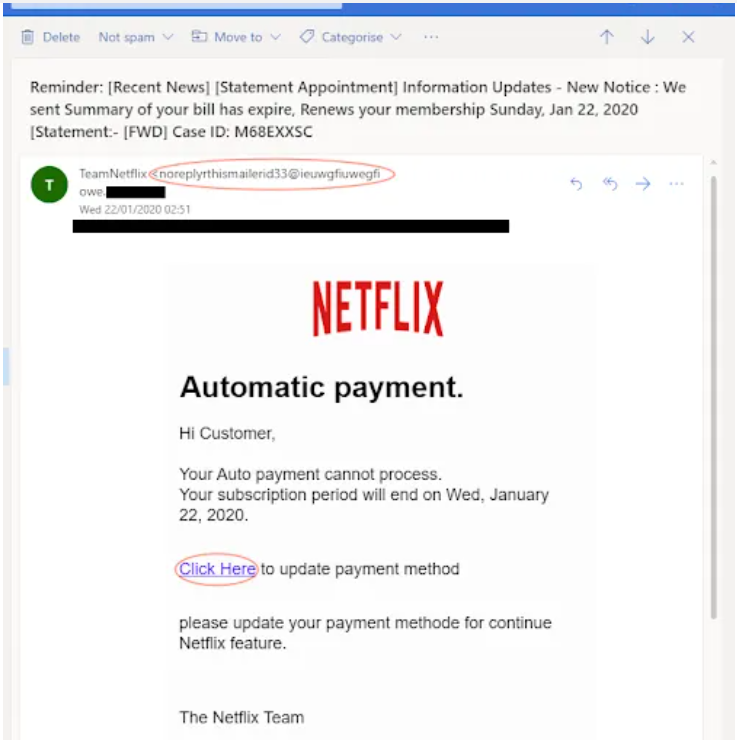
We’ve all been there: your phone buzzes with an urgent text about a "locked account," a "missed delivery," or a strangely friendly message from a wrong number. Most of us just delete these messages and go about our day.
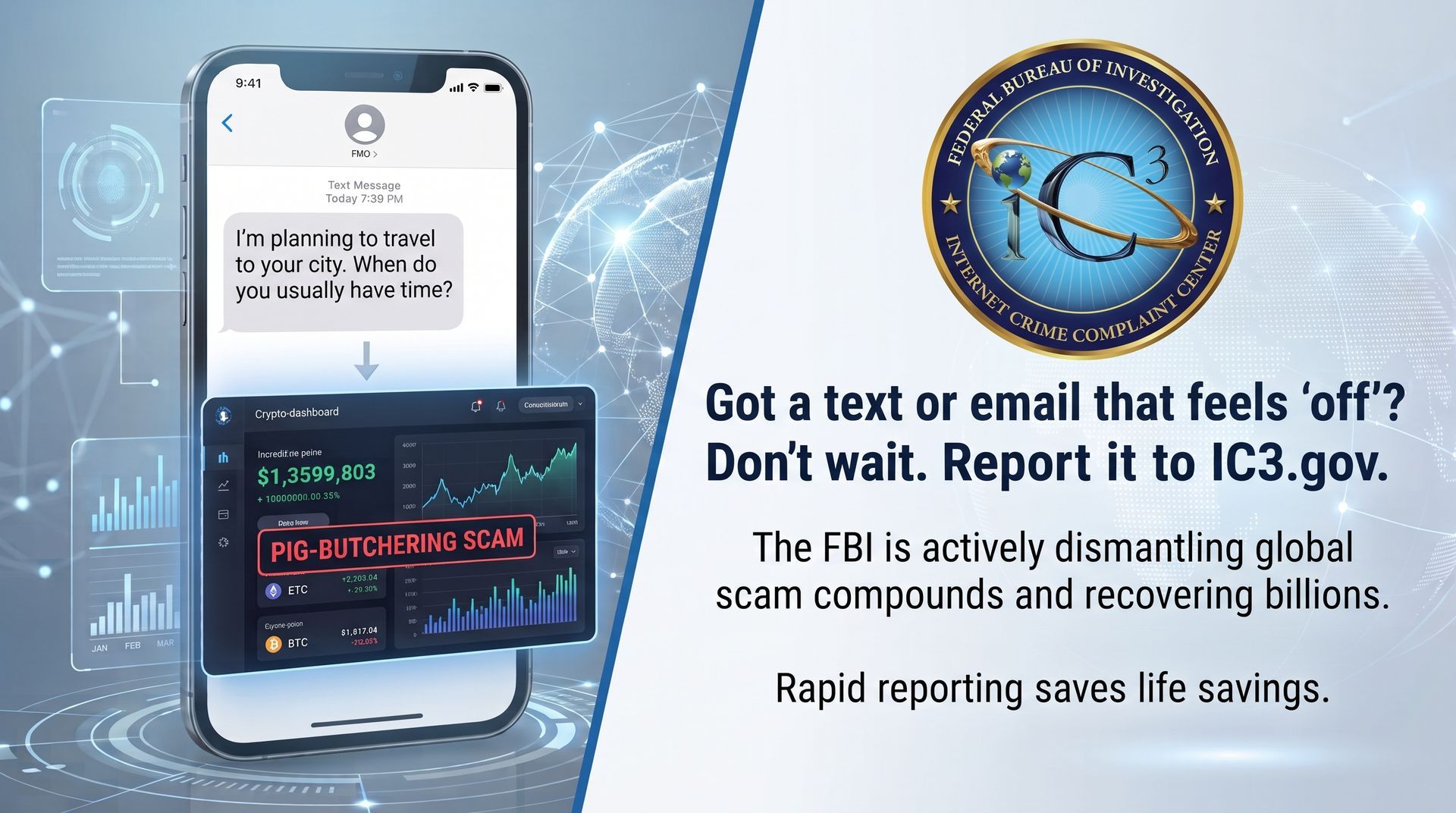
But according to FBI Director Kash Patel, simply ignoring these messages is a missed opportunity. To stop massive criminal syndicates in their tracks, there is now one crucial step you should take every single time: Report it directly to IC3.gov.
"It is never too early to call 1-800-CALL-FBI or go to our IC3.gov website, our Internet Crime Center, where anyone can literally just shoot us a note and say, I got this text. I got this email. I got this phone call. Something seems a little off." — FBI Director Kash Patel
Why Your Tip Matters More Than Ever
In a recent interview, Director Patel pulled back the curtain on the highly coordinated operations behind these seemingly random texts, calls, and emails. Here is what is actually happening behind the scenes—and why your single report to the FBI's Internet Crime Complaint Center (IC3) is the ultimate weapon against them.
1. You Are Helping Dismantle Global Scam Compounds
The people texting you are rarely lone hackers. They are part of vast criminal syndicates operating out of massive "scam compounds"—often located in the cross-border regions of Southeast Asia or the Middle East. Through a massive global initiative called Operation Blackout, the FBI has been partnering with international law enforcement to literally raid and demolish these compounds, freeing thousands of trafficked workers who were forced to execute these scams.
When you report a suspicious text or email, you aren't just shouting into the void. The FBI's upgraded infrastructure uses AI to instantly map your tip to these overseas networks, helping them target the specific infrastructure scammers use to connect to the outside world.
2. You Could Save Others (and Yourself) Millions
Scammers rely on psychological manipulation, including a devastating tactic known as "pig butchering"—building a victim's trust over time before draining their life savings, pensions, or college funds.
By utilizing reports from the public, the FBI was recently able to proactively prevent 10,000 Americans from losing a staggering $560 million. Every piece of data you submit—whether it's a phone number, a fake domain, or an email address—helps the Bureau shut off the scammers' communications before they can successfully execute their theft.
3. If You’ve Been Scammed, There Is Real Hope for Recovery
If you fall victim to an online scam, the immediate reaction is often profound embarrassment. Scammers count on your silence.
Do not be embarrassed, and do not hide it.
Director Patel emphasizes that reporting to IC3.gov or calling 1-800-CALL-FBI as early as possible is your absolute best chance at getting your money back. The FBI is actively hunting down the crypto wallets and international accounts where these syndicates hide their ill-gotten gains. In one recent bust alone (Operation Zephyr Exodus), the FBI seized roughly $15 billion in stolen cryptocurrency and is working to return it to the victims.
What You Should Do Today
If you receive a suspicious message—or if you realize you've been scammed—take immediate action:
| The Step | Why It Works |
|---|---|
| Don't Engage | Replying confirms your number is active, leading to more targeted attacks. |
| Document It | Capture the sender's info, the message content, and any links provided. |
| Report to IC3.gov | Go directly to the FBI's Internet Crime Complaint Center and file a tip. |
| Call the FBI | If you have actually been defrauded, call 1-800-CALL-FBI immediately to start the tracking and recovery process. |
The criminals behind these screens think they are untouchable. By reporting every suspicious message, you are giving law enforcement the exact coordinates they need to tear down their networks for good.
Bookmark IC3.gov today—it's your frontline defense against global cybercrime.